AI Toys Weekly: The Clip-On Companion Boom, Maryland's Safety Bill & the AI Homework Gap
This week in AI toys: the screen-free clip-on companion boom, Maryland's proposed AI toy safety bill, fresh research on AI and learning, and the best in-stock buys.
Welcome to AI Toys Weekly, our Monday round-up of what is new and what actually matters in the fast-moving world of AI-powered toys. For the week commencing 27 July 2026, three stories stand out: a new wave of "clip-on" companions that add AI to the toys children already own, a US state moving to regulate AI toys before they reach the shelf, and fresh survey data on how children are really using AI to learn.
As ever, we have only featured products we have confirmed are in stock on Amazon UK at the time of writing, and every recommendation comes with the honest caveats as well as the praise.
New on the shelves: companions you clip onto the toys you already own
The most interesting product trend this summer is not a new robot at all. It is a small gadget that turns a child's existing teddy into a talking one. Haivivi's BubblePal is the clearest example: a lightweight, screen-free clip-on with a soft squeeze-to-talk button that attaches to any plush toy, remembers a child's name and interests, and is aimed at ages three to eight, all managed through a parent app (per the company's launch announcement carried by openPR and The Globe and Mail). Industry watchers see a wider shift here (away from the "robot on the desk" and towards a "friend in the toy box") and, tellingly, the companions being announced for late 2026 increasingly advertise local-first or hybrid processing rather than sending every word a child says to the cloud.
That direction of travel matters, because the toys that keep a child in charge are the easiest for parents to trust. If you want that "shows-its-workings" style of play you can buy today, the MatataStudio Tale-Bot Pro is a strong screen-free option. Designed for ages three to five, children programme it by tapping the direction buttons on its back or laying out coding cards, so the robot does exactly what the child tells it rather than holding an open-ended conversation: a gentle first taste of cause, effect and sequencing.
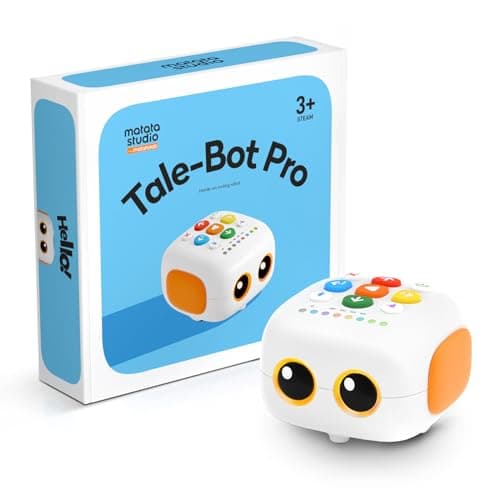
Around £90. Check the price of the MatataStudio Tale-Bot Pro on Amazon UK →
For more on this fast-growing category, see our guide to the rise of AI pet robots and our explainer on the Mattel and OpenAI partnership.
What AI is doing to the toy box
The regulation story took a concrete turn in the United States this month. Maryland lawmakers have put forward the Artificial Intelligence Toy Safety Act (House Bill 1261), which would require manufacturers to carry out a child-safety assessment before an AI toy goes on sale, limit data collection to the minimum the toy needs to function, encrypt that data, and forbid selling children's data, using it to train unrelated AI models, or keeping it beyond twelve months without renewed parental consent. Toys already on shelves as of 1 July 2026 would have until 1 January 2027 to complete their first assessments, and breaches would be treated as unfair trade practices, carrying penalties of up to $50,000 per violation (as summarised by the law firm Crowell & Moring and the Maryland General Assembly's own bill notes).
Maryland is not acting alone. The European Union's new Toy Safety Regulation (2025/2509) entered into force at the start of 2026, and industry trackers count more than 100 AI-related bills introduced across 30-plus US states. None of this is settled law everywhere yet, but the direction is unmistakable, and it echoes advice we have given for a long time: favour toys with strong parental controls, transparent data practices and, ideally, on-device processing, and be cautious with open-ended chatbots aimed at very young children.
One neat way to sidestep the data question altogether is screen-free audio. The Yoto Mini plays only the content you choose through physical cards, with no camera, no adverts and no always-listening chatbot: a genuinely low-data option for younger children, and a useful counterpoint to the chattier companions above.
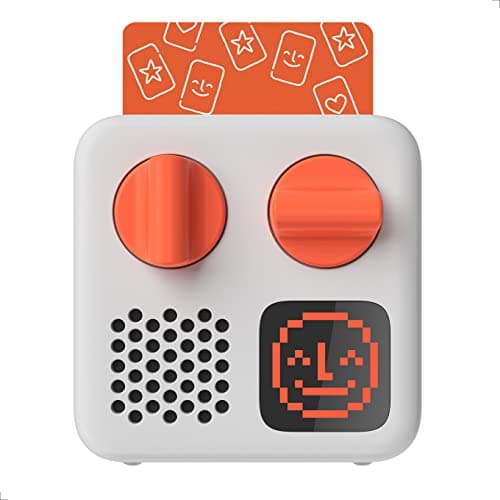
Around £60. Check the price of the Yoto Mini on Amazon UK →
If you want to weigh the trade-offs yourself, our guides on whether AI toys are safe for children and smart-toy privacy in the UK go into far more depth.
What AI means for how children learn
There was striking new evidence on the learning question too. The RAND Corporation's latest American Youth Panel survey (authored by Heather Schwartz and Melissa Diliberti and fielded in December 2025) found that the share of school-age students using AI for homework jumped from 48% in May 2025 to 62% by December, yet 67% of students themselves now agree that the more classmates lean on AI, the more it harms their critical thinking, a rise of more than ten points in under a year. Girls were markedly more worried than boys (75% versus 59%). Separately, Microsoft's 2026 AI in Education report found that around 92% of students and education leaders have already used AI for schoolwork, while roughly 77% of students say they have had no formal training in how to use it well.
The takeaway for parents is not "ban it". It is "guide it". Children are adopting these tools far faster than anyone is teaching them to weigh the output, so the most useful toys are the ones that make a child do the reasoning rather than hand them an answer. The Osmo Coding Starter Kit is a good example: children physically arrange coding blocks that the iPad's camera reads, turning abstract logic into something hands-on. For pure make-it-yourself problem-solving, the Snap Circuits Classic PLUS SC-310 lets children build more than 300 real electronic projects and see for themselves exactly why each one works.
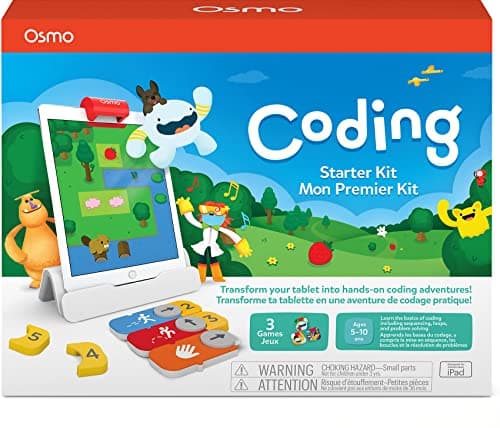
Around £32. Check the price of the Osmo Coding Starter Kit on Amazon UK →
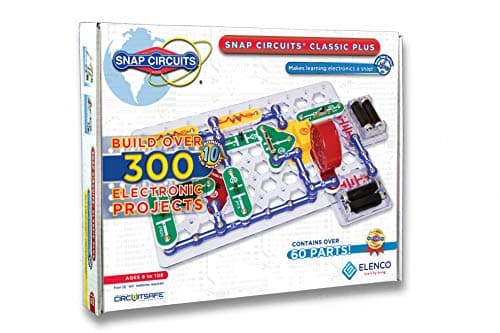
Around £80. Check the price of the Snap Circuits Classic PLUS on Amazon UK →
Our guide to how AI toys are changing education has more on striking the right balance at home.
This week's smart buys (in stock now)
| Toy | Best for | Age | Around |
|---|---|---|---|
| MatataStudio Tale-Bot Pro | Screen-free coding for little ones | 3-5 | £90 |
| Yoto Mini | Low-data, screen-free audio | 3+ | £60 |
| Osmo Coding Starter Kit | Hands-on coding logic | 5-10 | £32 |
| Snap Circuits Classic PLUS | Build-it-yourself electronics | 8+ | £80 |
Prices are correct at the time of writing (27 July 2026) and change often, so always check the live figure on Amazon before buying. As an Amazon Associate we earn from qualifying purchases at no extra cost to you.
Frequently asked questions
Are clip-on AI companions like BubblePal safe for young children?
They can be, but treat them like any connected toy. Check what the parent app records, whether conversations are stored or used to train AI, and whether there are clear controls to switch features off. Screen-free does not automatically mean low-data, so read the privacy policy before you buy. Our safety guide walks through what to look for.
Will the new AI toy rules affect what I can buy in the UK?
Not directly (Maryland's proposal is US state legislation and the EU regulation applies in the EU) but large manufacturers tend to build to the strictest market they sell in, so tighter rules abroad often lift the baseline everywhere. In practice it is one more reason to favour brands that are already open about the data their toys collect.
What is the best AI or STEM toy for actually building skills?
Look for toys that make the child do the thinking (programming a robot, building a circuit, arranging coding blocks) rather than ones that simply answer questions. The evidence is consistent that outcomes are better when a parent or teacher stays involved rather than leaving the toy to do the work.
That is your lot for this week. We will be back next Monday with the latest launches, debates and deals. In the meantime, browse our Christmas 2026 AI toy gift guide for more in-depth picks.
Related reading
More From AIToys
AI Toys Weekly: New AI Companions, a Regulation Milestone & UNICEF's Wake-Up Call
This week in AI toys: a fresh wave of AI companions, a July regulation milestone, UNICEF's new data on children and AI, and the top in-stock buys for parents now.
AI Toys Weekly: The Screen-Free Companion Boom, a Chatbot Crackdown & Smarter Learning
This week in AI toys: the screen-free companion boom, the chatbot-toy crackdown every UK parent should follow, what AI means for learning
AI Toys Weekly: New Companion Robots, the Safety Backlash & Smarter Learning
This week in AI toys: new companion robots, the safety backlash every parent should follow, what AI means for learning, and the best in-stock buys right now.