Affiliate disclosure: AIToys.co.uk earns a commission from qualifying Amazon UK purchases at no extra cost to you.
DJI Mini 4K Review UK 2026: The Best Beginner Drone Under £300?
The DJI Mini 4K lands in a fascinating spot in the drone market. At £279, it sits below the DJI Mini 4 Pro in price but inherits a surprisingly capable camera: genuine 4K/30fps video from a drone that weighs just 249 grams. That sub-250g threshold is crucial in the UK, because it means no CAA registration required under current regulations. For anyone eyeing their first serious camera drone, that's a compelling combination.
But is the Mini 4K good enough to be your first drone, or is it a compromised product that pushes you straight towards the pricier Pro model? I've spent considerable time with both, and the answer is more nuanced than the spec sheets suggest.
🛒 Check Price on Amazon UKAs an Amazon Associate, AIToys.co.uk earns from qualifying purchases.
Quick Verdict
DJI Mini 4K is the sweet spot for beginner drone pilots who want genuine 4K footage without registration headaches. It shoots beautiful video, is incredibly easy to fly, and at £279 represents outstanding value. The trade-offs (no ActiveTrack, basic obstacle avoidance, RC-N2 controller) are real but manageable for most beginners. Rating: 4.4/5
Who it's for: First-time drone buyers, travel vloggers, parents wanting to fly with kids, anyone who wants great aerial footage without the complexity (or price tag) of the Pro models.
Who should look elsewhere: Experienced pilots who need ActiveTrack subject following, omnidirectional obstacle avoidance, or professional-grade colour science.
Watch: DJI Mini 4K in Action
Specifications at a Glance
| Feature | DJI Mini 4K |
| Weight | 249g |
| Camera | 1/2.3-inch CMOS |
| Max Video | 4K/30fps, 2.7K/60fps |
| Max Flight Time | 34 minutes |
| Max Range | 10km (O4 transmission) |
| Max Speed | 57.6 kph (Sport mode) |
| Wind Resistance | Level 5 (38 kph) |
| Obstacle Avoidance | Forward + Downward |
| QuickShots | 6 modes |
| UK Registration | Not required (under 250g) |
| Price | ~£279 standard / ~£379 Fly More |
Design and Build Quality
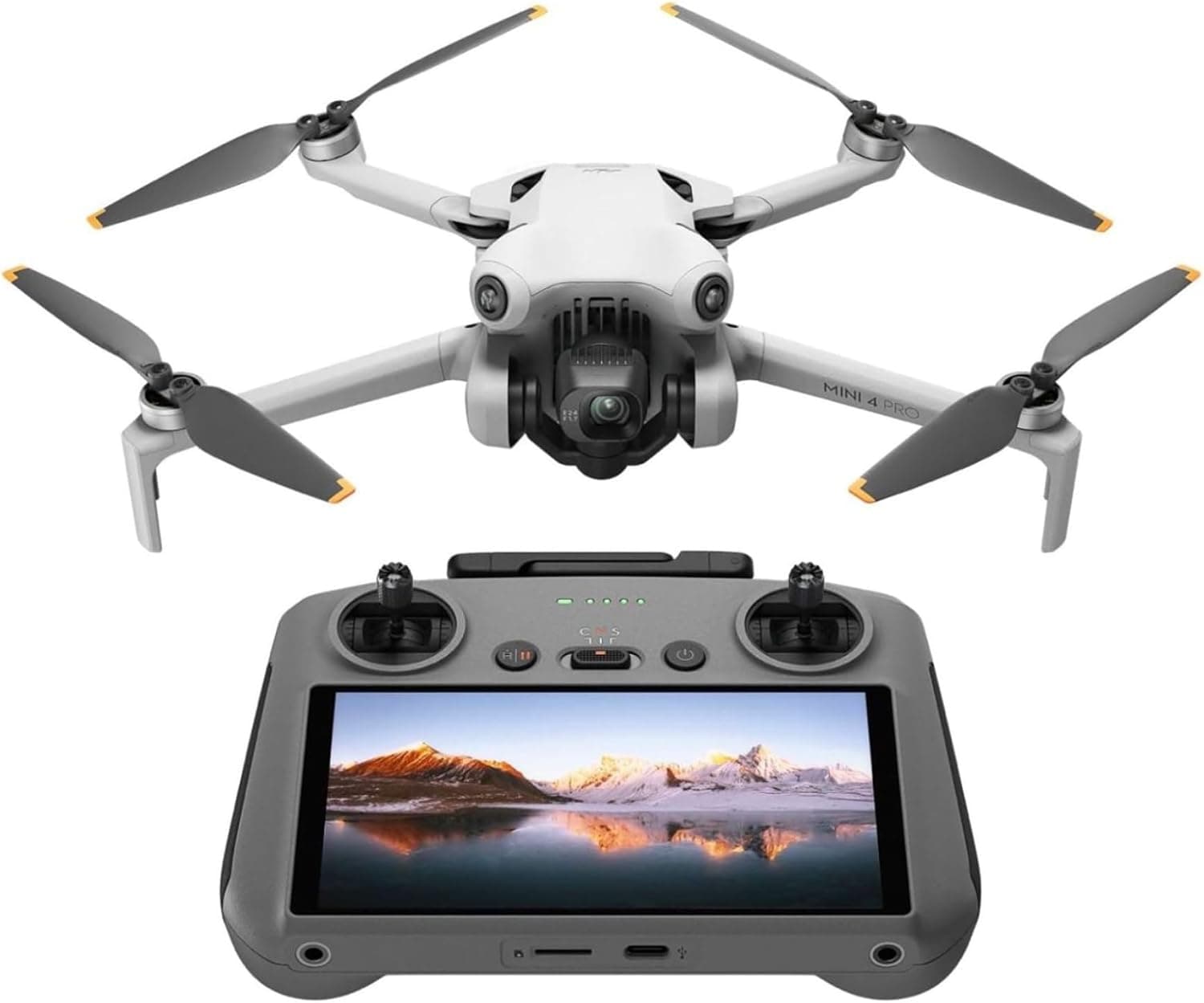
Pick up the DJI Mini 4K and the first thing you notice is how small it is. Folded, it's roughly the size of a smartphone: it slips into a jacket pocket when paired with a compact carry case. Unfolded, it has that distinctive DJI silhouette with diagonal arm positioning that aids stability.
The build quality is excellent for the price. Plastic construction throughout, but nothing feels cheap or flimsy. The motor arms click solidly into position and the camera gimbal is protected by a neat plastic cover that you remove before flight. The gimbal itself is a 3-axis mechanical stabilised unit: proper stabilisation, not just electronic wobble correction.
The 249g weight is the headline spec, and DJI hasn't cheated to hit it. There are no hidden surprises. The battery is included in that weight, and it passes the UK's sub-250g threshold comfortably. Under current CAA rules, drones under 250g are classified as C0 and require no registration, no flyer ID, and can be flown in many more locations than heavier drones. For a beginner, this is enormously freeing.
The RC-N2 controller (included in the standard package) uses your smartphone as the display, connecting via a short cable. It's functional, with a satisfyingly tactile feel on the thumbsticks, but the lack of a built-in screen does mean you're reliant on your phone's brightness in bright daylight. The Fly More Combo adds the RC2 controller with its built-in 5.5-inch screen, which is a meaningful upgrade if you plan to fly regularly.
Camera Performance: Genuinely Impressive 4K
This is where the Mini 4K earns its name. The 1/2.3-inch CMOS sensor captures 4K video at 30fps and 2.7K at 60fps, and the results are, frankly, excellent for a £279 drone.
Colours are rich and natural in good light. Footage shot on a clear day (over coastlines, countryside, urban rooftops) looks genuinely cinematic. The 3-axis gimbal keeps shots smooth even in moderate wind, and the electronic horizon levelling means tilted shots are a thing of the past.
Where it falls short compared to the Mini 4 Pro is dynamic range. In high-contrast scenes (bright sky against shadowed foreground) the Mini 4K's smaller sensor struggles a little. You'll sometimes see blown highlights or crushed shadows in tricky lighting conditions. It doesn't record in D-Log M either (the Mini 4 Pro's colour science advantage), so colour grading is more limited in post.
Still, for social media, YouTube, and casual filmmaking, the output is more than good enough. At 4K/30fps with natural colour profiles, it's a camera drone that produces footage you'd be proud to share.
Photo quality is similarly solid. 12MP stills with HDR mode available. They're not going to challenge a proper mirrorless camera, but for aerial photos they're very capable: plenty of detail for printing at A4 and great for social content.
👉 Interested? Check the latest price for the DJI Mini 4K on Amazon UK
Flying Experience: Beginner-Friendly From the First Flight
DJI's reputation for "just works" drone hardware is fully upheld here. Setup from box to airborne is around 15 minutes: download DJI Fly app, connect controller, calibrate compass, and you're in the air.
The three flight modes are well-designed for progression:
- Cine mode: slow, smooth movements, perfect for beginners getting used to the controls
- Normal mode: the everyday flying mode, responsive without being twitchy
- Sport mode: 57.6 kph maximum speed, for when you want to cover ground fast
GPS hold is excellent. Let go of the sticks and the Mini 4K hovers in place almost perfectly. The Return to Home function works reliably: essential if you lose visual line of sight or the connection drops.
Obstacle avoidance is where the Mini 4K makes a concession compared to its Pro sibling. It has forward and downward sensors, but nothing to the sides or rear. It will stop before flying into a wall ahead of it, but if you're reversing and there's a tree behind you, it won't warn you. For beginners, the advice is simple: fly slowly, look before you reverse, and keep the drone in sight. With sensible flying habits, the limited sensing is rarely a problem.
QuickShots (DJI's automated cinematic manoeuvres) include six modes: Dronie, Circle, Helix, Rocket, Boomerang, and Asteroid. Select a subject, tap to confirm, and the drone executes the move automatically whilst the camera tracks the target. They produce genuinely impressive footage with zero experience required, and they're one of the Mini 4K's most impressive features for beginners.
Battery Life and Range
34 minutes rated flight time is strong. In practice, flying in Normal mode in light wind, you'll typically get 28-32 minutes per battery. That's enough for a solid filming session on a single charge: most drone flights don't last more than 20-25 minutes anyway.
The O4 video transmission system provides a 10km theoretical range. In real-world UK flying conditions (urban areas, interference, staying within legal line-of-sight), you'll rarely need more than 1-2km. What matters more is video quality at range, and it's excellent. Even at several hundred metres, the live feed on your phone is smooth and clear.
Range anxiety? Not really a concern for UK flying. The legal requirement to maintain line of sight means you'll rarely push beyond 500 metres, well within the Mini 4K's comfortable range.
UK Drone Laws: What You Need to Know
This section is important for every UK drone buyer. Under current CAA regulations:
- Under 250g (C0 category): No registration required, no Flyer ID needed. You can fly in most locations excluding congested areas, over crowds, and within restricted airspace.
- Over 250g: Requires Operator ID registration (£9/year) and a Flyer ID (free online test).
The DJI Mini 4K's 249g weight keeps you firmly in the C0 bracket. No paperwork, no annual fee, no test. You do still need to follow sensible rules (no flying near airports, no flying over people, no flying above 120m) but the administrative burden is essentially zero.
This is a significant practical advantage over drones like the DJI Air 3 or even the Mini 4 Pro with accessories attached (which can tip over 250g). For a beginner, it removes a real barrier to getting in the air quickly.
DJI Mini 4K vs Mini 4 Pro: Which Should You Buy?
| Feature | DJI Mini 4K | DJI Mini 4 Pro |
| Price | ~£279 | ~£759 |
| Weight | 249g | 249g |
| Max Video | 4K/30fps | 4K/100fps |
| Obstacle Avoidance | Forward + Down | Omnidirectional |
| ActiveTrack | ❌ | ✅ |
| D-Log M Colour | ❌ | ✅ |
| Night Mode | Basic | Enhanced |
| QuickShots | ✅ | ✅ |
The Mini 4 Pro is a genuinely better drone, but it costs nearly three times as much. For the vast majority of beginners, the Mini 4K's capabilities are more than sufficient. If you're a content creator who needs to track moving subjects (runners, cyclists, surfers), the Mini 4 Pro's ActiveTrack is worth the premium. If you're an enthusiastic amateur who wants great aerial footage, the Mini 4K is the smart buy.
Currently available on DJI Mini 4K. Amazon UK. Prices may vary.
Pros and Cons
✅ Pros
- 249g weight: no UK registration needed, fly in more locations
- Genuine 4K/30fps video: excellent for the price point
- 3-axis gimbal: smooth, stable footage even in moderate wind
- 34-minute flight time: enough for a serious filming session
- 10km O4 transmission: reliable video link at legal flying distances
- 6 QuickShots: cinematic automated shots with zero experience
- DJI Fly app: genuinely excellent, beginner-friendly interface
- Compact folding design: packs into any bag
❌ Cons
- No ActiveTrack: cannot autonomously follow moving subjects
- Limited obstacle avoidance: only forward and downward sensors
- No D-Log M: less latitude for colour grading in post
- RC-N2 uses your phone: screen visibility in bright sunlight can be poor
- No internal storage: requires microSD card (not included)
- Fixed camera tilt: no manual tilt control (stays level or tilts down)
Who Is the DJI Mini 4K For?
Perfect for:
- First-time drone buyers who want great video without the complexity
- Travellers who want to document trips with aerial footage
- Parents keen on introducing kids (aged 12+) to drone flying
- Hobbyists who want to explore photography and videography from above
- Anyone who wants to fly without registration paperwork
If you're new to coding robots or STEM gadgets and considering branching out into drone tech, the Mini 4K is one of the most accessible entry points available. It bridges the gap between toy drones (like those in our best drones for kids guide) and professional-grade kit.
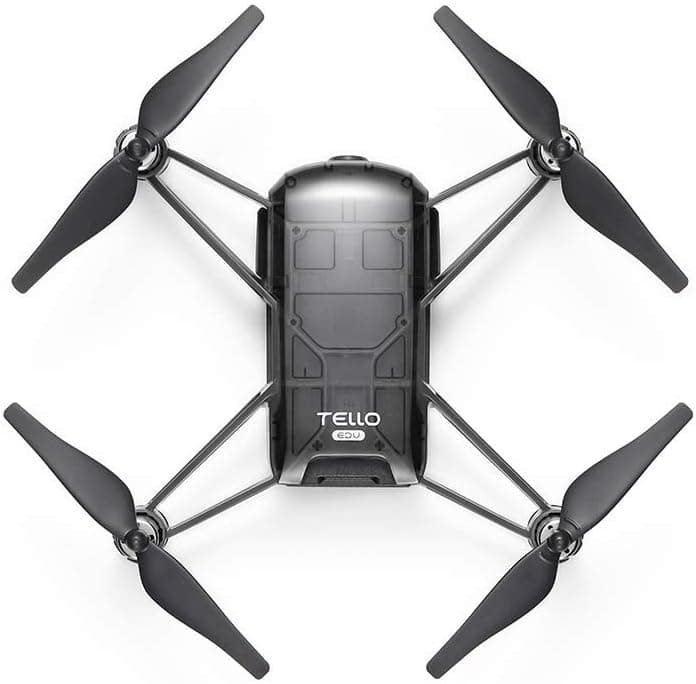
For those interested in more STEM-focused drone flying, the DJI Ryze Tello EDU offers programmable flight at a lower price point: a great choice for teaching kids to code with drones.
And if aerial cameras are your thing, check out our Best Camera Drones for Adults UK 2026 for the full range of options, from budget to professional.
Real-World Footage Assessment
To give you a realistic sense of what to expect:
Holiday videos: Absolutely excellent. Pan across a coastal village, reveal a mountain range, or orbit a castle: the Mini 4K handles all of these beautifully. The 4K footage holds up well on a large TV screen, and at 1080p/60fps for slow-motion sequences, results are genuinely cinematic.
Sports and action: Mixed. Without ActiveTrack, you're manually following subjects. At Normal mode speed (38.4 kph), you can track a cyclist on a straight road, but a sprinter or surfer will outmanoeuvre you. If active subject tracking is your primary use case, the Pro model is worth the premium.
Real estate and architecture: Excellent. The stable hover and smooth gimbal produce professional-looking property footage. Many estate agents and small businesses would get genuine commercial value from this drone.
Wildlife and nature: Good, with patience. The relatively quiet motors (for a drone) make it less disruptive than many alternatives. Without subject tracking, you'll need to pre-position and wait for wildlife to enter frame, but the results can be stunning.
Setting Up and Flying for the First Time
DJI has done an excellent job with the onboarding experience. The DJI Fly app walks you through every step with clear animations:
- Insert battery and microSD card
- Download DJI Fly app, create account
- Connect RC-N2 controller via USB to your phone
- Unfold arms, remove gimbal cover
- Power on drone and controller
- Follow app calibration steps (compass + IMU)
- Check airspace (the app integrates with UK airspace maps)
- Take off: the drone lifts off smoothly and hovers in place
Total time from box to first flight: approximately 15 minutes. That's exceptional for a sub-£300 product.
The built-in airspace awareness is worth highlighting. The DJI Fly app shows restricted zones, no-fly areas, and altitude restrictions. It won't physically prevent you from flying (unlike some locked DJI models), but the awareness is a genuinely useful safety tool.
The Fly More Combo: Worth It?
The Fly More Combo (~£379) adds:
- Two extra batteries (for up to ~102 minutes total flying time)
- A battery charging hub
- A shoulder bag
- The RC2 controller with built-in screen
The RC2 controller is the standout addition. Flying with a dedicated screen rather than your phone is meaningfully better in bright sunlight. If you plan to fly regularly, the Fly More Combo represents good value. If you're just starting out, the standard package is perfectly adequate to learn on.
Verdict
The DJI Mini 4K is a remarkable drone for the money. It shoots genuinely beautiful 4K footage, handles superbly, and at 249g sidesteps all the UK registration requirements that put off many first-time buyers. The limitations (no ActiveTrack, basic obstacle avoidance, phone-dependent controller) are real but entirely manageable for the beginner audience it's aimed at.
If you want a capable, easy-to-fly camera drone for under £300, there is nothing better available right now. This is the drone we'd recommend to most people asking "what should I buy as my first drone?"
Overall Rating: 4.4/5
Frequently Asked Questions
Do I need to register the DJI Mini 4K in the UK? No. At 249g, it falls under the C0 category under CAA regulations, meaning no registration, no Flyer ID, and no annual fee. You still need to follow standard drone safety rules (no flying over people, near airports, or above 120m) but the paperwork burden is essentially zero.
Can the DJI Mini 4K fly in wind? Yes, it handles Level 5 winds (up to 38 kph) well. In practice, we'd recommend avoiding flying in sustained winds above 25-30 kph as a beginner. Not because the drone can't handle it, but because strong wind makes manual control more challenging. The drone will maintain stable hover in moderate breeze without issue.
How does the DJI Mini 4K compare to the DJI Mini 3? The Mini 4K is broadly comparable to the Mini 3, with similar camera specs and flight performance. The Mini 4K has the newer O4 transmission system (better range and video quality at distance) and generally sells for a similar or lower price. If you find the Mini 3 cheaper, it's still a solid choice, but the Mini 4K is the current go-to beginner recommendation.
Is the DJI Mini 4K good for kids? We'd suggest 14+ for solo flying, with 10-12 year olds being perfectly capable with adult supervision. The DJI Fly app has excellent beginner modes, and the stable GPS hover means it's very forgiving of novice inputs. For younger children interested in drone flying, check our best drones for kids guide for age-appropriate options.
What microSD card should I use? DJI recommends Class 10/UHS-I Speed Grade 3 (U3) or higher. For 4K/30fps recording, a SanDisk Extreme 64GB or 128GB card is ideal. Avoid cheap unbranded cards: they can cause recording drop-outs in 4K mode.
*Related reads: Best Camera Drones for Adults UK 2026 | Best Drones for Kids UK 2026 | DJI Mini 4 Pro Review | [